
Plan Your Chennai Home Interior Budget Without Costly Surprises
Build a realistic interior budget, compare quotations fairly, and understand exclusions before you commit to your Chennai home project.
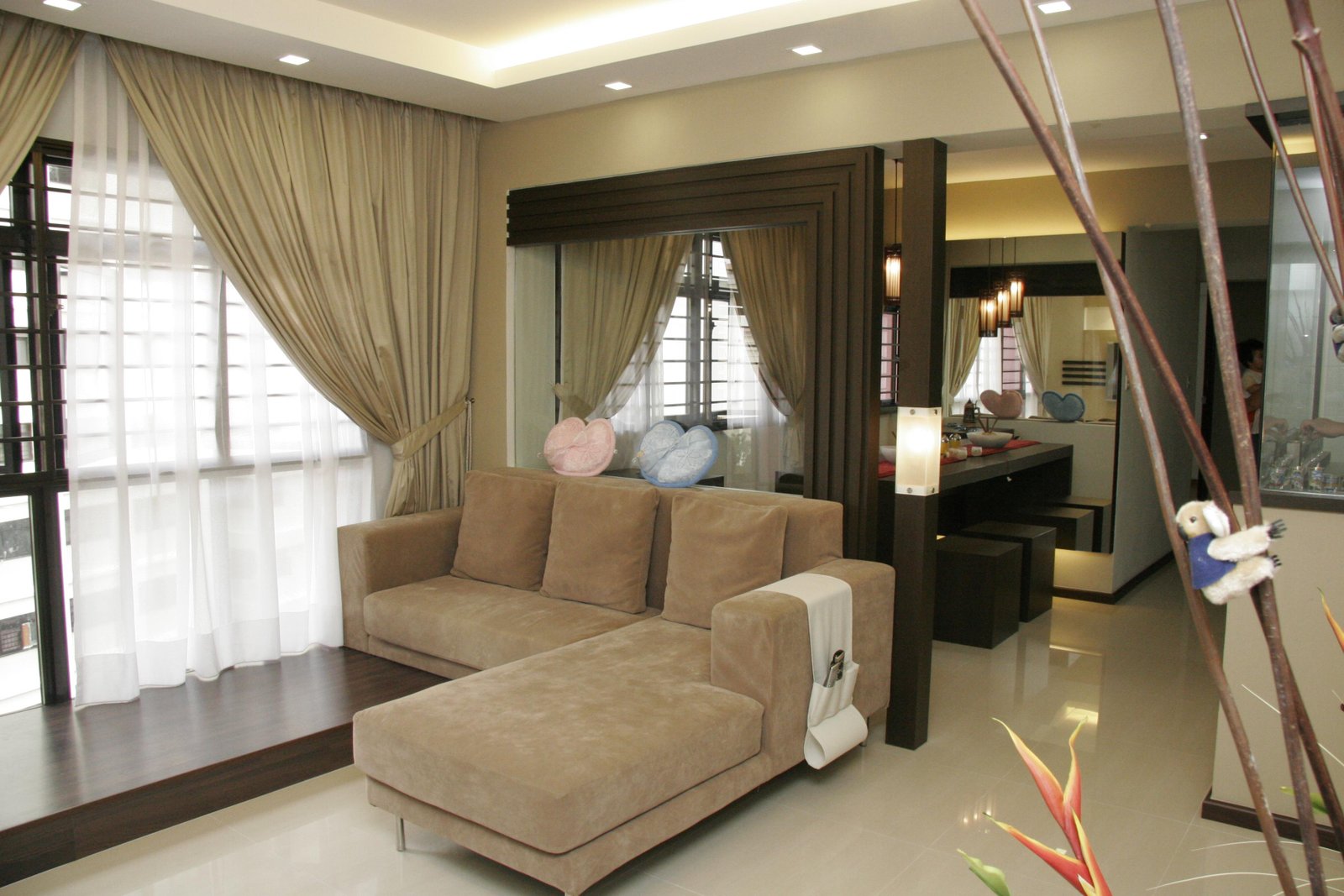
To plan your Chennai home interior budget with fewer surprises, define every room’s scope, compare quotations against the same material specifications, and record exclusions before approving work. Separate essential work from optional upgrades, keep a reserve for uncertainties, and require written approval for changes. This gives you a budget you can manage rather than a starting price you cannot verify.
Go one step further: build a decision sheet with five columns—item, specification, quoted amount, exclusions, and approval status. Mark each item “needed before move-in” or “can wait.” When two quotations differ, this sheet reveals whether you are comparing equivalent work or simply different inclusions. It also becomes a record of decisions, helping you protect your budget without sacrificing the elements that matter most to your family.
Start with your scope, not your apartment size
A 2BHK or 3BHK label cannot tell a designer how much cabinetry you need, which finishes you prefer, or whether civil work is involved. List what each space actually requires. A kitchen might need cabinets and a countertop, while an existing bedroom may need only a wardrobe.
For a Chennai apartment, share the floor plan, possession status, existing finishes, and any apartment-association work restrictions. If you are renovating, identify what will be retained and what needs removal. These details help produce a more meaningful estimate.
Ask what the quotation includes
Check these items explicitly rather than assuming they are covered:
- Cabinet dimensions, internal arrangement, board specification and finish.
- Hardware brand or agreed equivalent, model and quantity where relevant.
- Countertops, handles, accessories, lighting and electrical alterations.
- Delivery, installation, dismantling and debris removal.
- Painting, civil work, plumbing, appliances and loose furniture.
- Applicable taxes, payment milestones and the process for approving variations.
A lower total may reflect a smaller scope. Ask for an explanation before treating it as a saving.
Use a simple comparison example
Imagine one kitchen quotation includes drawers, a tall unit and a countertop, while another covers basic cabinets only. Comparing their totals is misleading. Request both quotations for the same drawing and specifications, then separately price optional upgrades. This is a comparison method, not a current market price estimate.
Control changes before they become costs
Agree that a change record should state what is changing, the revised price, and the effect on delivery. Approve it before procurement or execution. Choose a contingency reserve with your designer based on the project’s uncertainties; renovations with concealed conditions need particular care.
Consider durability, access for maintenance and daily use when deciding what to prioritise. A decorative upgrade can often wait; a poorly planned layout is harder to correct after installation.
Frequently asked questions
Can I get an accurate interior price from my BHK type alone?
You can get an initial indication, but a useful project quotation needs measurements, scope and specifications. Ask what assumptions an early estimate makes.
How do I reduce the budget without losing the design?
Simplify the scope, phase nonessential items, and compare finish options against the same functional layout. Record every accepted substitution.
Explore Ria Interiors’ project gallery, then request a consultation with your floor plan and priorities. For the next planning step, read our interior project timeline guide.