
Manage Your Home Interior Project With Less Stress: 5 Simple Records
Keep your interior project organised with five shared records for scope, decisions, milestones, payments and handover issues.
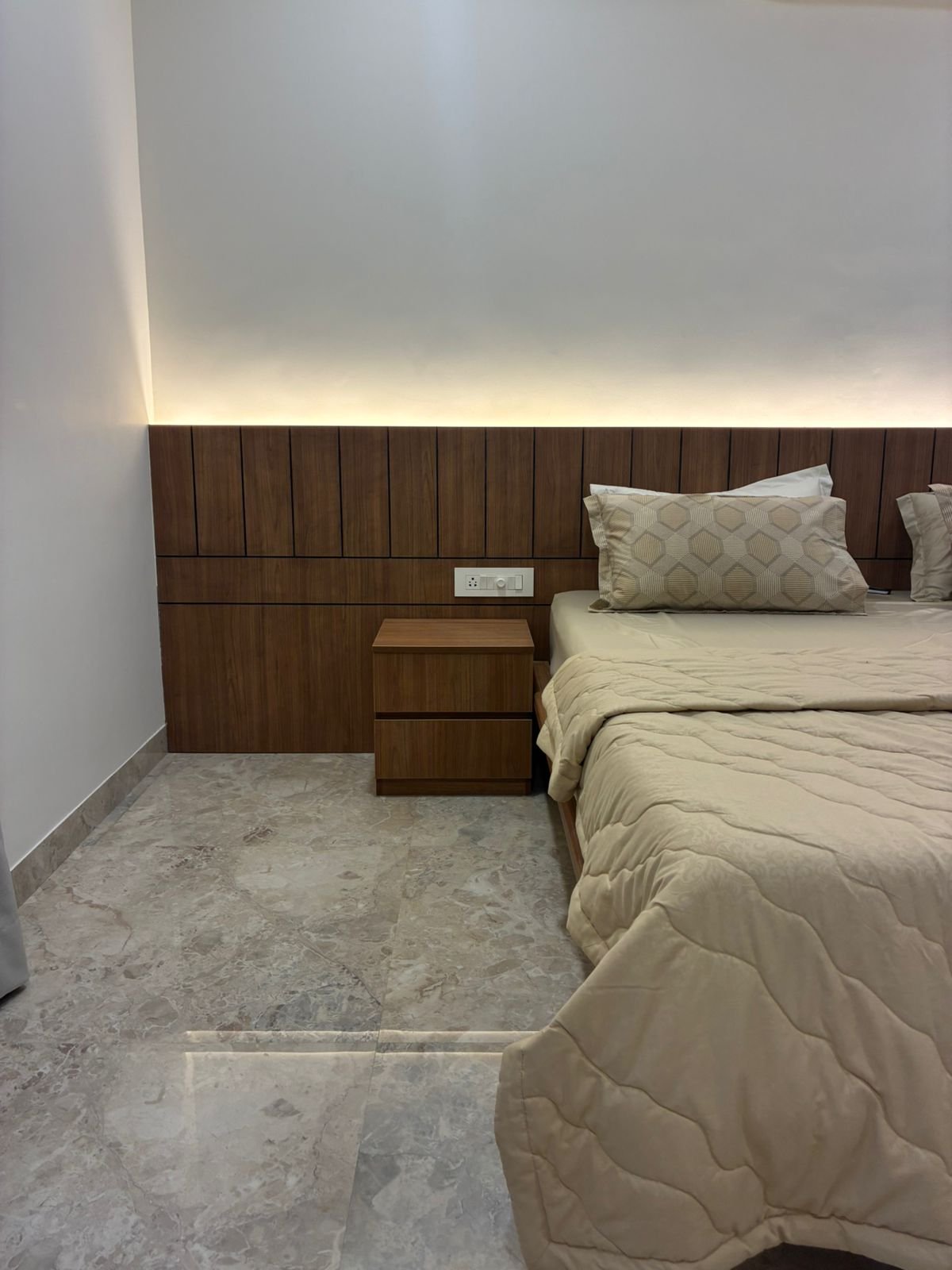
Manage your home interior project with less stress by keeping five shared records: the agreed scope, design decisions, milestone schedule, payment register and handover issue list. Assign one contact to coordinate updates and keep approvals in writing. These simple records reduce the need to search through scattered messages and help everyone work from the same version of the plan.
Make those records even more useful with a single weekly summary: what finished, what happens next, what needs your approval and what is blocked. Give every open item an owner and a due date, and separate a request for information from an approved instruction. This small distinction prevents a casual conversation from becoming an unexpected design change, while letting you focus your attention on the decisions that genuinely need it.
Record 1: The agreed scope
Keep the current quotation, drawings and specifications together. Include exclusions and the boundaries between suppliers. If one team supplies lighting and another installs it, identify who checks compatibility and who must be ready first.
For a Chennai apartment project, include the agreed arrangements for access and building rules. A clear responsibility list is particularly useful when the builder, association or outside trades are involved.
Record 2: Design decisions
Maintain a decision log with the item, drawing revision, chosen option, approver and approval date. Keep sample references where appropriate. Share the approved version with the people executing the work so that an old drawing does not remain in use.
When you request a change, ask for its effect on scope, cost and programme. Approval should follow that explanation, rather than precede it.
Record 3: Milestones and blockers
Break progress into observable steps such as measurement completed, design approved, material ordered and installation inspected. “Work in progress” is less informative than a defined completion condition.
Use photographs to support updates, but do not rely on photographs alone to verify concealed work. Agree what needs checking before it is covered or completed.
Record 4: Invoices and payments
Match invoices to the agreed payment schedule and keep transfer references with the relevant invoice. Distinguish between a payment you have submitted and one the recipient has confirmed. Resolve differences promptly using the invoice and transaction record.
Ria Interiors’ client dashboard supports access to quotations, invoices and project milestones. Bank transfers are recorded through a manual verification process; submitting a reference is not the same as confirmation of receipt.
Record 5: Handover issues
Create one list containing the location, issue, photograph if useful, responsible person and correction status. Agree how completion will be checked. Collect maintenance instructions and applicable warranty documents alongside the final records.
A weekly review you can reuse
- What was completed against the agreed milestones?
- Which decisions need approval before the next stage?
- What is blocked, and who will resolve it?
- Have any approved changes affected cost or timing?
- What needs inspection before the next update?
Frequently asked questions
Do I need complicated software to manage interiors?
No. Clear, current records matter more than the tool. A shared document or a project portal can work if responsibilities and approvals are unambiguous.
Should every family member send instructions separately?
It is usually clearer to consolidate household decisions through one nominated contact while making sure everyone’s requirements are discussed beforehand.
Start a conversation with Ria Interiors about your project. Read our timeline checklist to connect these records to a practical schedule.